

In the Torah portion of Korach, it discusses the rebellion of Korach, accompanied by two hundred and fifty men, against Moses, for having appointed himself leader and his brother, Aaron, as high priest.[1] In describing the rebellion the Torah states:[2]
And Korah, son of Izhar son of Kohath son of Levi, took, and Dathan and Abiram sons of Eliab, and On son of Peleth—descendants of Reuben And they rose up against Moses, together with two hundred and fifty Israelites, chieftains of the community, chosen in the assembly, men of repute. They combined against Moses and Aaron and said to them, “You have gone too far! For all the community are holy, all of them, and the Lord is in their midst. Why then do you raise yourselves… Read More »
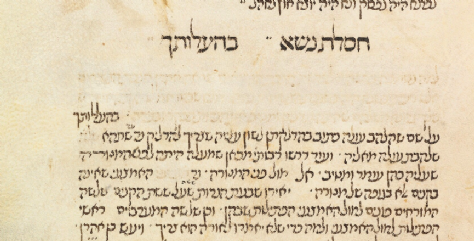 In the Torah portion of Beha’alotcha it discusses the kindling of the Menorah following the description of the twelve-day inauguration of the altar by the princes of the tribes of Israel. It states,
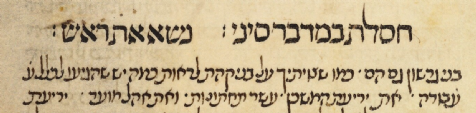 In the Torah portion of Naso, it discusses the census of the Levite clans; the mention of the Gershonites is sandwiched in the Book of Numbers between the census of the Kehatite and Merorite clans. This census follows three earlier countings in the Book of numbers: a. the overall census of the Jewish people between the ages of twenty and sixty
 In the opening of the Torah portion of Behar it discusses the laws of the Sabbatical year with the unusual detail that this particular law was taught at Mount Sinai. As this detail appears to be unnecessary, as all laws are thought to have been taught at Sinai, we will explore the various ways biblical commentaries explain what the Torah intends to convey with this statement, looking at commentaries from the 4th century through the medieval period until today. We will focus on the Hebrew manuscripts of the medieval commentator Rashi at Oxford’s Bodleian Library to understand exactly how much of the laws were taught to Moses on Mount Sinai itself and how much were taught later in the desert Tabernacle and the Plains of Moav.